All Categories
Featured

How to Find Best Medicare Medigap Quotes
Table of Contents
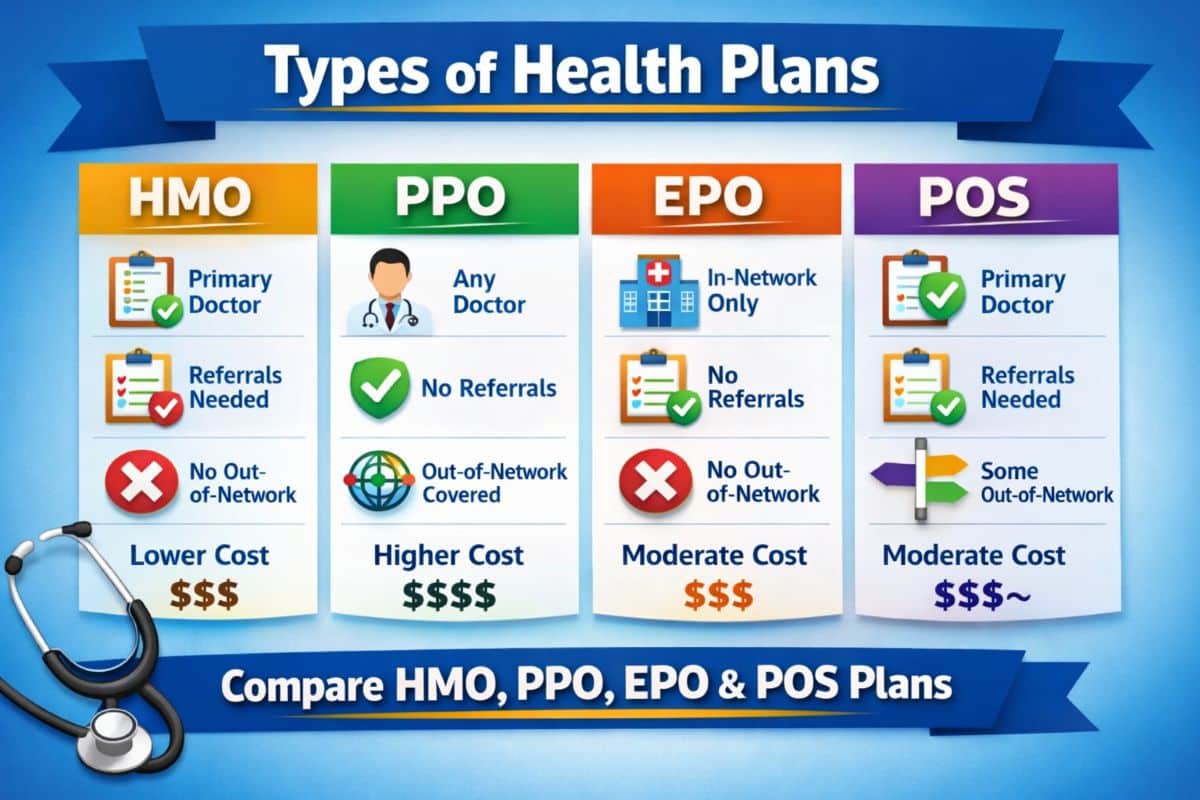
An HMO Medicare Benefit plan offers a network (referred to as an "HMO network") of health care suppliers and hospitals to its customers. It's needed for a client to pick a medical care physician to handle their healthcare and offer recommendations to any providers that are not in the strategy's network, other than in the event of an emergency situation.
The ease of having a primary care physician to collaborate and manage the care supplied. A client can only see service providers within the plan's network unless they have a referral for an outside professional, or it's an emergency situation.
Nevertheless, unlike an HMO plan, a PPO Medicare Benefit plan permits more flexibility when seeing out-of-network service providers. Therefore, it's not required to have a referral to see an out-of-network professional although it might be more pricey and take extra time to get insurance protection because a client need to sue for protection each time they see an out-of-network company.
The patient has more flexibility with which service providers they pick to see, whether they're within the plan's network or out-of-network. The majority of times, there is no need for a referral if a client cares to see an out-of-network professional. Greater regular monthly premium. Probably, higher month-to-month premiums. The patient is accountable for managing their healthcare instead of a medical care provider.
An EPO insurance coverage plan, or an 'Unique Supplier Organization' insurance plan, is often called a strategy that is "located in between an HMO and PPO." This is because, like a PPO plan, an EPO does not require a patient to stay in-network for care meaning, no recommendations or emergency situations are needed for seeing an out-of-network company.
Local Insurance ExpertsOptimizing Indexed Universal Life Growth Benefits in Retirement
This plan is less extensively known, it often offers a much bigger network than an HMO.A POS insurance coverage strategy, or a 'Point of Service' insurance coverage strategy, is likewise known to "blend components of HMO and PPO plans." This is because, like an HMO strategy, a POS insurance plan needs a patient to have a primary care doctor that manages their health care and offers them referrals to out-of-network specialists or providers.
, the deductible is at least $1,400 for an individual and $2,800 for a household. In order to combat the high deductible expense, it is advised that a patient contributes to an HSA/HRA or a 'Health Savings Account'/'Health Compensation Plan,' which companies typically contribute to each year.
Another element to note about this strategy is that it protects the patient from "devastating out-of-pocket costs for covered services." What this suggests is that, once a patient's "annual out-of-pocket expenditures for covered services from in-network suppliers, consisting of deductibles, copayments, and coinsurance, reaches the established devastating limitation," the insurance provider will cover all costs.
HMO and PPO plans share particular features. There are some main differences in between HMO and PPO plans.
How Term Insurance Protects Family Wealth
HMOs will not cover care from an out-of-network provider. HMOs normally have lower premiums and out-of-pocket expenses.
It's good to have choices. When it concerns health insurance coverage, you have your choice of several strategy types. 2 popular types you'll frequently see are HMO and PPO. Differences in between HMO (Health Care Company) and PPO (Preferred Provider Organization) plans consist of network size, ability to see specialists, expenses, and out-of-network coverage.

An HMO gives you access to specific medical professionals and health centers within its network. A network is comprised of companies that have actually agreed to lower their rates for plan members and likewise satisfy quality requirements. Unlike PPO strategies, care under an HMO strategy is covered only if you see a provider within that HMO's network.

Latest Posts

Evaluating Term vs Whole Life Insurance

Best Medicare Supplement Coverage Selection Tips
Choosing Best Medicare Supplement Policies for 2026